Cerca
Close this search box.

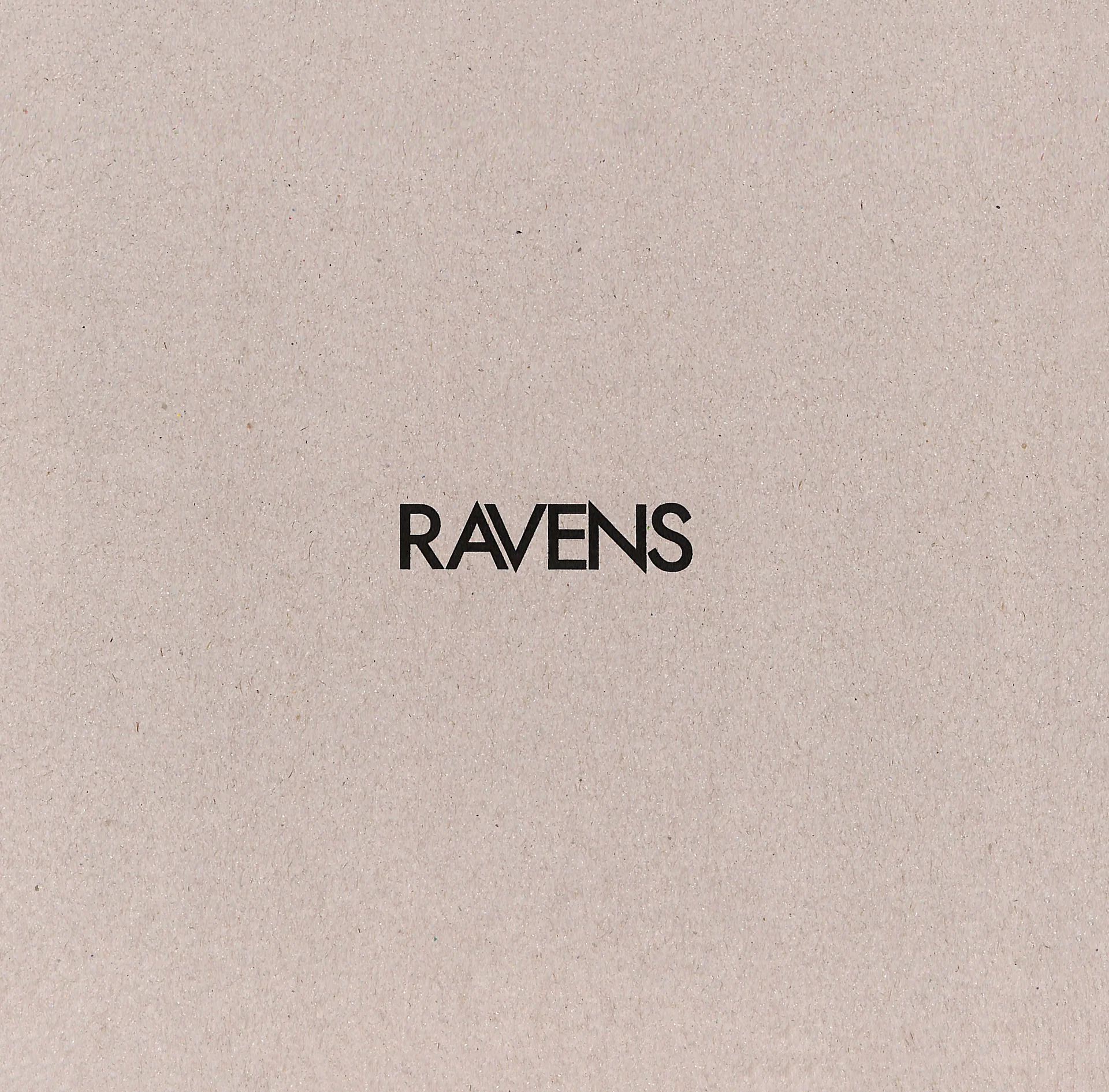
Ravens

Ravens

Editore/Editor: Mack

Autore/Author: Masahisa Fukase

Dimensioni/Dimensions: 26,3 × 26,3 cm

Pagine/Pages: 148

Lingua/Language: English

Anno/Year: 2017

85,00 

SKU: 978-1-910164-83-9 Categoria/Category: Tags: , , Marchio:

Italiano

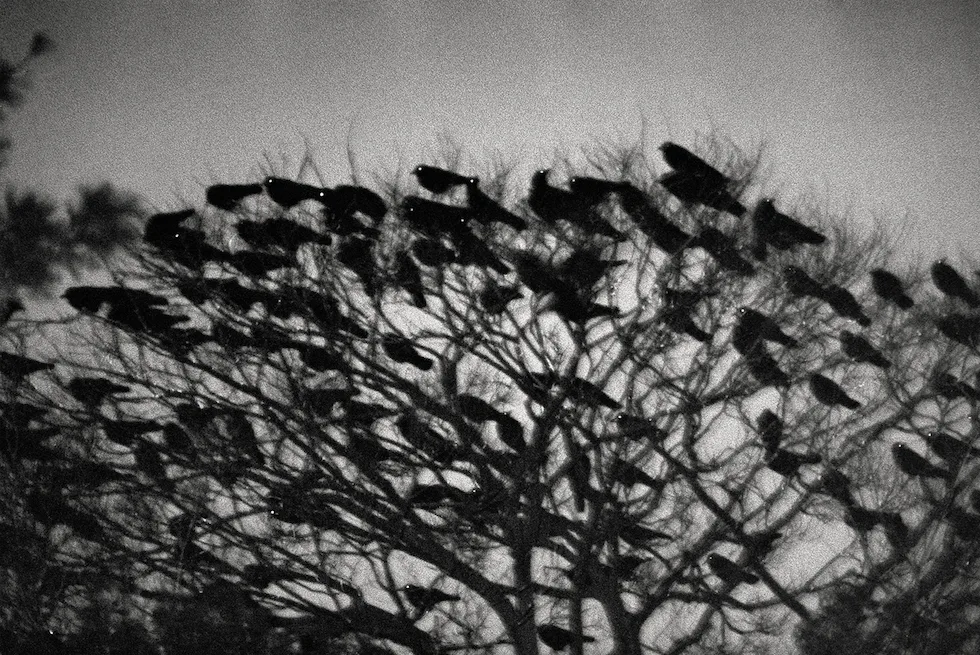
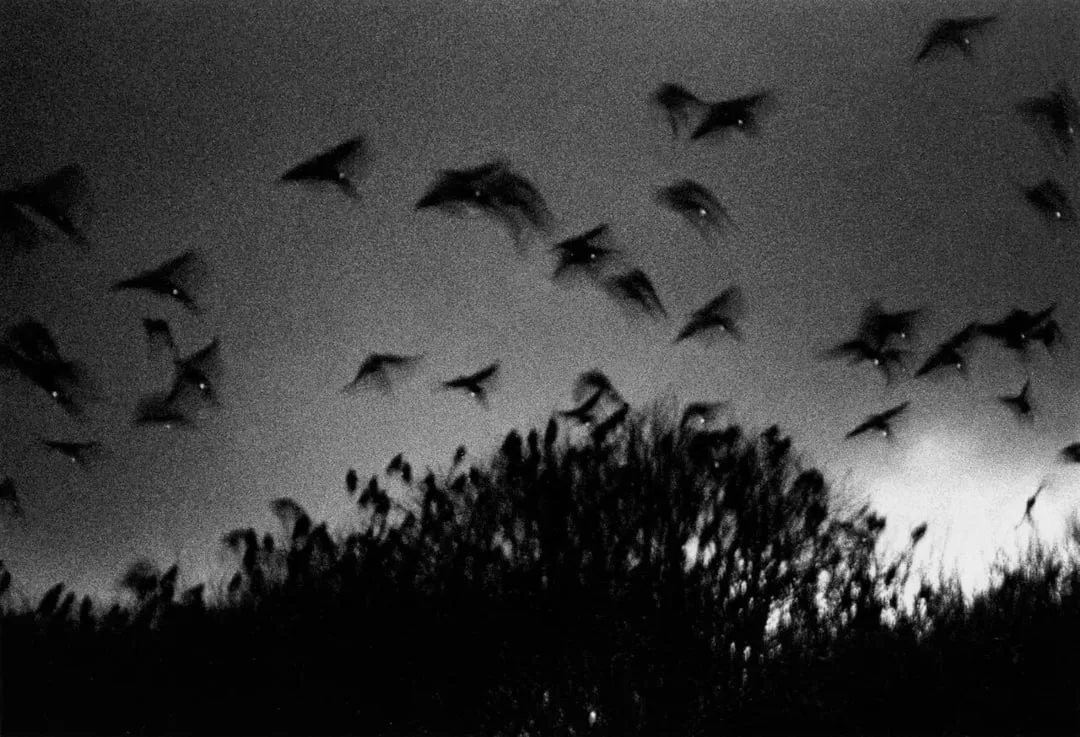
«Ravens (Corvi) è un corpus di opere fondamentale nella storia della fotografia e uno dei punti più alti toccati dal genere del fotolibro. L’accumularsi di questi riconoscimenti e il passare del tempo hanno oscurato molti dei dettagli affascinanti che spiegano l’ossessione dell’artista per questo motivo nell’arco di tutta la sua opera. Non si trattava semplicemente del riflesso dell’angoscia esistenziale e dell’anedonia di cui ha sofferto per tutta la vita, ma si è manifestato in una vera e propria immedesimazione artistica con il corvo, sfociando infine in un’esistenza e in una pratica artistica solitarie ai limiti della follia. E tutto questo prima che un tragico incidente nel 1992 — una caduta dalle scale del suo bar preferito — lo portasse a trascorrere gli ultimi vent’anni di vita con la coscienza sospesa e in isolamento medico. Fukase è diventato quel singolo corvo congelato dalla sua fotocamera e immortalato sulla copertina del suo libro più famoso.»

— Tomo Kosuga, dal suo saggio Cries of Solitude [2017]

Acclamato unanimemente come uno dei fotolibri più importanti nella storia di questo linguaggio espressivo, Ravens del fotografo giapponese Masahisa Fukase fu pubblicato per la prima volta nel 1986; le due edizioni successive ebbero entrambe tirature limitate che andarono esaurite immediatamente. Questa riproduzione facsimile bilingue della prima edizione contiene un nuovo testo a cura del fondatore dell’Archivio Masahisa Fukase, Tomo Kosuga. Il suo saggio colloca Ravens nel contesto più ampio della vita e dell’opera di Fukase, ed è illustrato con numerose fotografie e disegni scoperti di recente.

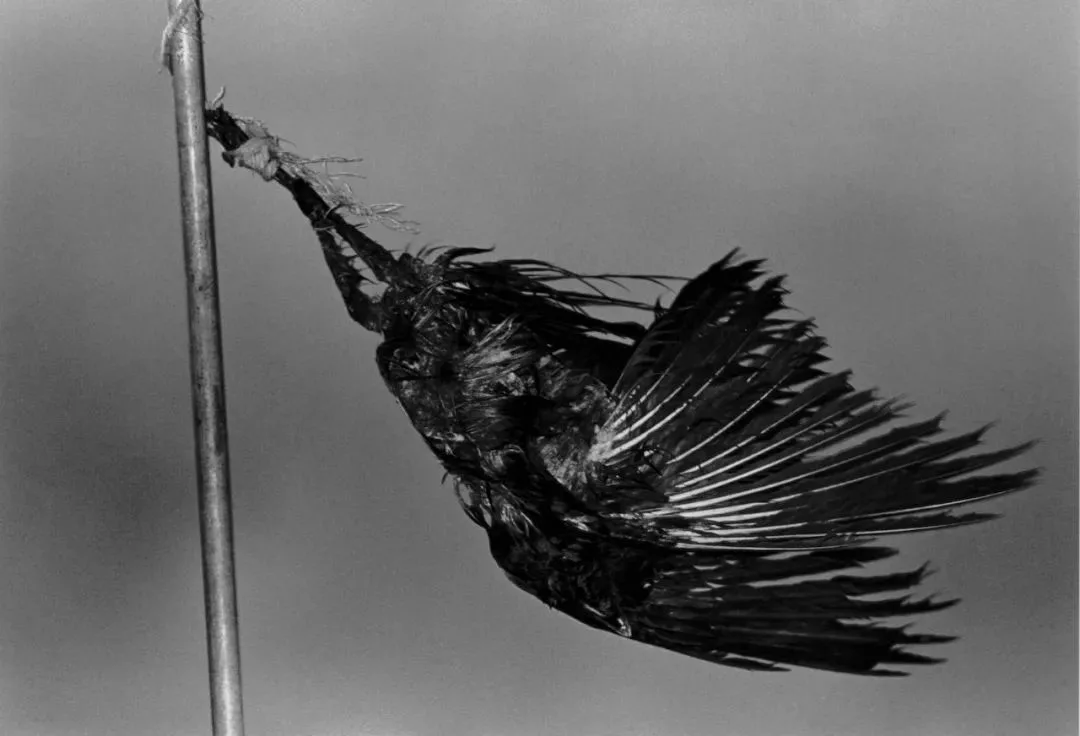
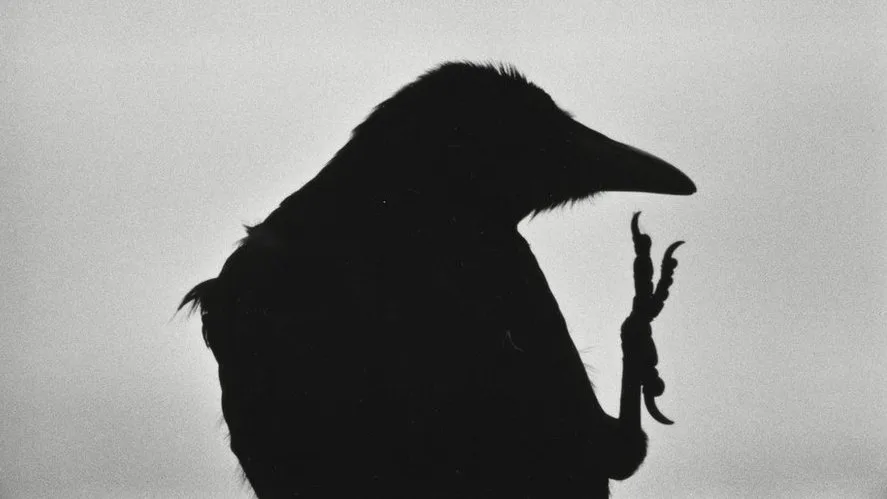
La conturbante serie di opere di Fukase è stata realizzata tra il 1975 e il 1986 all’indomani del suo divorzio, e fu apparentemente innescata da un malinconico viaggio in treno verso la sua città natale. I paesaggi costieri di Hokkaido fanno da sfondo a fotografie profondamente cupe e impressioniste raffiguranti inquietanti stormi di corvi. L’opera è stata interpretata come un’infausta allegoria del Giappone del dopoguerra.

Masahisa Fukase (nato nel 1934 a Hokkaido, morto nel 2012) si è laureato nel 1956 presso il Dipartimento di Fotografia del College of Art della Nihon University. È diventato fotografo freelance nel 1968, dopo aver lavorato presso il Nippon Design Center e la casa editrice Kawade Shobo. Tra i suoi libri più importanti si ricordano Yugi [Homo Ludence] (Chuokoron-sha, 1971), Yohko (Asahi Sonorama, 1978) e Karasu [Ravens] (Sokyu-sha, 1986). Alla sua opera sono state dedicate innumerevoli mostre personali, e le sue fotografie sono state incluse in mostre collettive presso il MoMA di New York, l’Oxford Museum of Art, la Fondation Cartier pour l’Art Contemporain di Parigi e il V&A di Londra. Fukase ha inoltre vinto numerosi premi, tra cui il 2° Premio Ina Nobuo nel 1976 per la mostra “Karasu” e il Premio Speciale all’8° Higashikawa Photography Award nel 1992. Sempre nel 1992, Fukase è caduto tragicamente da una rampadi scale riportando un trauma cranico da cui non si è mai ripreso. È scomparso nel 2012.

Autore

English

Ravens is one of the defining bodies of work in the history of photography and a high point in the photo book genre. This accumulation of accolades, and the passing of time, have obscured much of the fascinating detail which explains the artist’s pre-occupation with this motif throughout his work. It was not simply a reflection of the existential angst and anhedonia he suffered throughout his life but manifested in artistic self-identification with the raven and ultimately spiralled into a solitary existence and artistic practice on the edge of madness. And all this before an untimely accident in 1992, a fall down the stairs of his favourite bar, resulted in him spending the final twenty years before his death with his consciousness suspended and in medical isolation. Fukase became the singular raven frozen by his camera and immortalized on the cover of his most famous book.” – Tomo Kosuga from his essay Cries of Solitude [2017]

Consistently proclaimed as one of the most important photobooks in the history of the medium, Ravens by Japanese photographer Masahisa Fukase was first published in 1986 and the two subsequent editions were both short print runs that sold out immediately. This bilingual facsimile of the first edition contains a new text by founder of the Masahisa Fukase Archives, Tomo Kosuga. His essay locates Ravens in Fukase’s wider work and life, and is illustrated with numerous recently discovered photographs and drawings.

Fukase’s haunting series of work was made between 1975 and 1986 in the aftermath of a divorce and was apparently triggered by a mournful train journey to his hometown. The coastal landscapes of Hokkaido serve as the backdrop for his profoundly dark and impressionistic photographs of ominous flocks of crows. The work has been interpreted as an ominous allegory for postwar Japan.

Masahisa Fukase (b. 1934, Hokkaido; d. 2012) graduated from the Nihon University College of Art’s Photography Department in 1956. He became a freelance photographer in 1968 after working at the Nippon Design Center and Kawade Shobo Publishers. His major books include Yugi [Homo Ludence] (Chuokoron-sha, 1971); Yohko(Asahi Sonorama, 1978), and Karasu [Ravens] (Sokyu-sha, 1986). Countless solo exhibitions have been dedicated to Fukase’s work, and his photographs have been included in group exhibitions at the MoMA, NY; Oxford Museum of Art; Fondation Cartier pour l’Art Contemporain, Paris; V&A, London. Fukase also won numerous prizes, including the 2nd Ina Nobuo Award in 1976 for his exhibition “Karasu” and the Special Award at the 8th Higashikawa Photography Awards in 1992. Fukase tragically fell down a set of stairs in 1992 and suffered a traumatic brain injury from which he never recovered. He passed away in 2012.

Autore

Rimaniamo In Contatto

Iscriviti alla nostra newsletter per ricevere periodicamente informazioni sulle offerte e sulle ultime notvità dei libri fotografici