Italiano
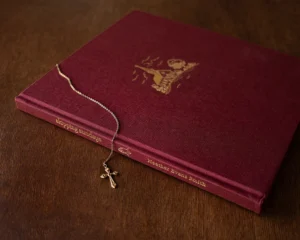
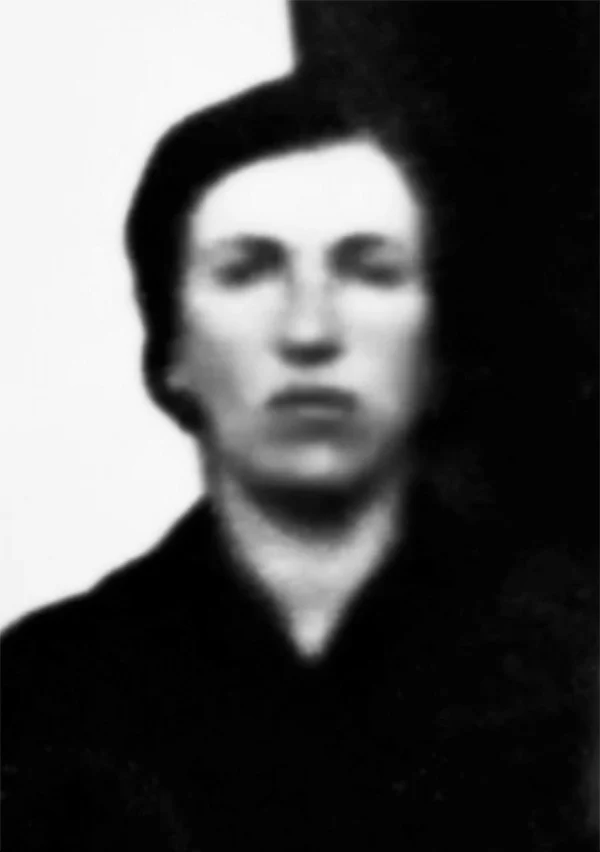
Anche tu non sei nessuno? nasce da una fotografia ritrovata: un ritratto sfocato e sfuggente, dalla grana imperfetta. È l’unica immagine esistente di Irma, la prozia dell’artista, che per tutta la vita è stata tenuta lontana – a causa della sua condizione mentale – dalla vista del pubblico e da qualsiasi genealogia familiare ufficiale. Partendo da questa identità negata, Anche tu non sei nessuno? getta luce sui tabù che da tempo circondano il disagio mentale, in particolare in relazione alle donne, che nel corso della storia sono state spesso bersaglio di pratiche di addomesticamento e sottomissione contro le quali la mente si è ribellata. Attraverso una delle prime app di deepfake, Irma trova finalmente la sua voce. I fotogrammi tratti dal video, presentati come un flipbook concettuale – le cui inquadrature rivelano, attraverso le labbra di Irma, una frase di Zelda Fitzgerald – nella loro fissità, consacrano l’atto assolvendo alla loro funzione primaria di testimonianza, rivelando la pratica artistica come atto politico e radicale di costruzione e ridefinizione del reale. L’ipertesto è composto da versi e frammenti di poesie e romanzi di scrittrici e poetesse affette da disturbi psichici – parole che si dissolvono dalle loro narrazioni originali per ricomporsi in un nuovo tessuto, elaborate da un
algoritmo che rimescola casualmente le frasi. Il corpo di Irma diventa così un luogo di redenzione, un anticorpo che ospita una moltitudine, sfidando ogni forma di normatività, regolamentazione, gestione e controllo.Are you nobody, too? infrange il confine tra ricostruzione storica e speculativa, proponendo nuove possibilità di significato e immanenza. Invita il lettore a partecipare a questo processo, interrompendo ogni tentativo di normalizzare ciò che è sfuggente, complesso e diversificato, mettendo in atto una dispersione del sé che diventa una forza generativa
attraverso la sua alleanza con la tecnologia.
algoritmo che rimescola casualmente le frasi. Il corpo di Irma diventa così un luogo di redenzione, un anticorpo che ospita una moltitudine, sfidando ogni forma di normatività, regolamentazione, gestione e controllo.Are you nobody, too? infrange il confine tra ricostruzione storica e speculativa, proponendo nuove possibilità di significato e immanenza. Invita il lettore a partecipare a questo processo, interrompendo ogni tentativo di normalizzare ciò che è sfuggente, complesso e diversificato, mettendo in atto una dispersione del sé che diventa una forza generativa
attraverso la sua alleanza con la tecnologia.