Cerca
Close this search box.

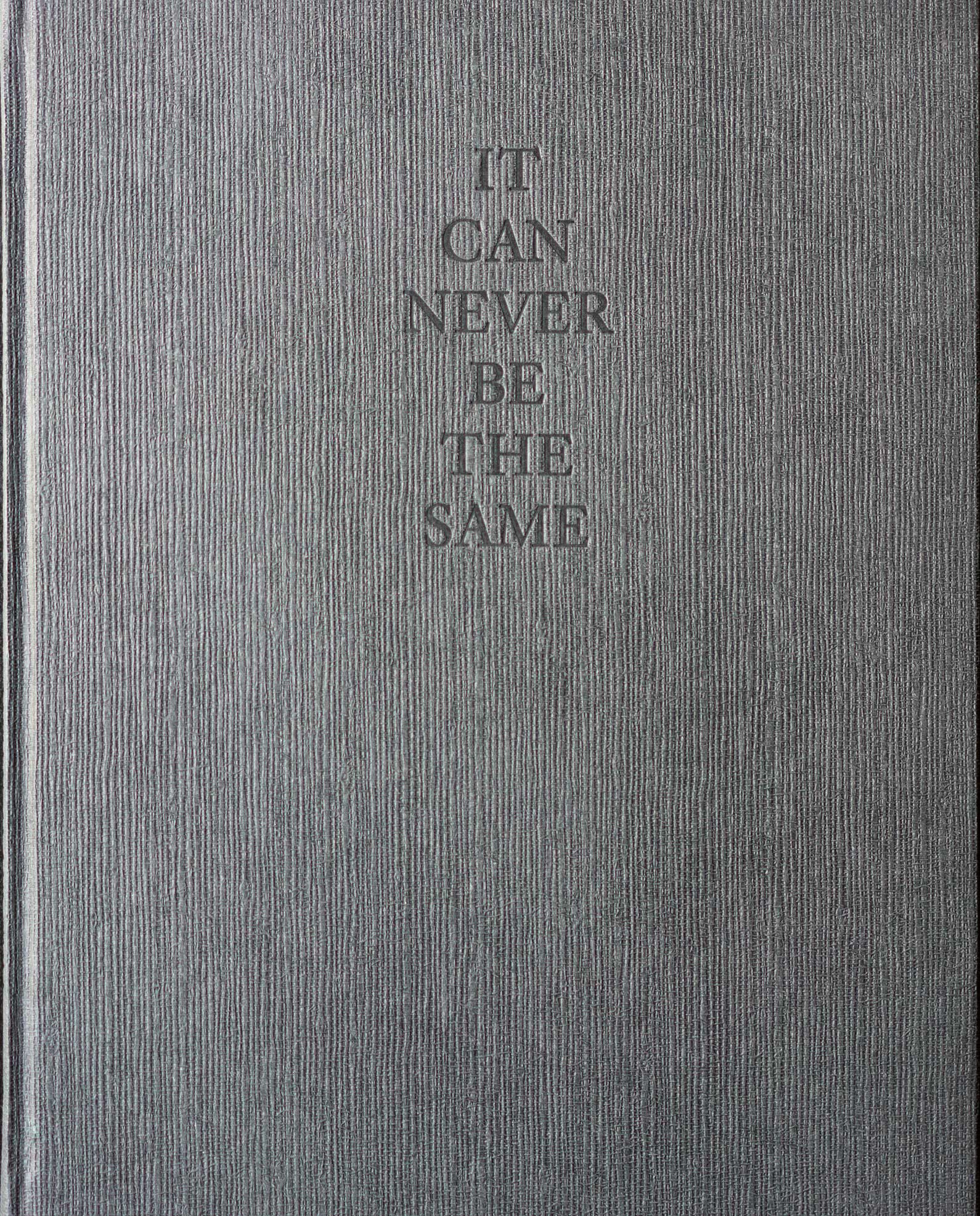
It Can Never Be The Same

It Can Never Be The Same

Autore/Author: Lorenzo Tugnoli
Editore/Editor: Gost Books
Dimensioni/Dimensions: 30,7 x 24,5 cm
Pagine/Pages: 116 pages
Lingua/Language: English
Anno/Year: 2025

55,00 

Italiano

Lavorando in Afghanistan per oltre un decennio, le mie fotografie hanno contribuito alla sua rappresentazione: le immagini che vediamo, quelle che non vediamo e il modo in cui sono inquadrate. Col tempo, sono diventato più consapevole del potere e dei limiti di questa rappresentazione, ho iniziato a riflettere sul mio ruolo e sulla mia posizione in questo sistema e ho iniziato a mettere in discussione la profondità della mia comprensione dei fatti… Sto comprendendo appieno gli eventi che si svolgono davanti a me o sto solo cercando di riprodurre un certo tipo di immagini? Sto guardando e osservando correttamente o sto emulando un film che si ripete in loop nella mia testa di outsider?

Le fotografie sono state scattate mentre Tugnoli lavorava per il Washington Post durante i negoziati di pace tra il governo degli Stati Uniti e i talebani, seguiti dalla disintegrazione della Repubblica afghana e dal ritorno al potere dei talebani. Durante la realizzazione del libro, Tugnoli ha collaborato con la ricercatrice Francesca Recchia per rivedere il suo archivio con occhi nuovi e cercare immagini che raccontassero una storia diversa da quella che appariva sui giornali.

“C’erano così tanti strati: cose che accadevano dietro le quinte che non erano visibili o facili da comprendere. E soprattutto per noi, occidentali, era molto facile fraintendere ciò che vedevamo.”

Le fotografie del libro sono cinematografiche, con luci e ombre drammatiche, e raffigurano sia ampi paesaggi che dettagli della quotidianità: granate e armi da fuoco intervallate da scene domestiche. La scelta formale del bianco e nero mira a mettere in discussione l’autenticità storica attribuita a questo mezzo tradizionale del fotogiornalismo, rendendo allo stesso tempo le immagini difficili da collocare in un periodo storico specifico. Le fotografie aeree di paesaggio rimandano al modo in cui gli eserciti stranieri hanno visto il paese principalmente dalla sicurezza della ricognizione aerea, scollegati dalla vita sul terreno.

Tugnoli ha intenzionalmente ricercato sequenze ambigue e prive di chiarezza. Questi frammenti di luoghi ed eventi, privi di una narrazione formale, incoraggiano lo spettatore a cercare indizi e aprono a molteplici interpretazioni. Il fotografo ha deciso di inserire le didascalie solo alla fine del libro, con l’intento di consentire allo spettatore di esplorare il “mondo” del libro, riflettendo le sue esperienze personali nel Paese.

“Spero che il libro possa essere parte di una discussione più completa su come percepiamo i Paesi che hanno subito l’occupazione, sull’etica della narrazione e sugli impatti duraturi degli interventi stranieri su nazioni come l’Afghanistan”.

Il libro è accompagnato da un testo incentrato sulla vita familiare quotidiana in Afghanistan, scritto dal giornalista e scrittore Habib Zahori. Questo testo contrasta gli approcci mediatici tradizionali, che possono distogliere l’attenzione dall’individuo. Il saggio conclusivo è dell’autrice e ricercatrice Francesca Recchia.

Autore

English

As I worked in Afghanistan for more than a decade, my photographs have contributed to its representation: the images that we see, the ones we do not and the way they are framed. With time, I have become more aware of the power and the limits of this representation, I have started reflecting on my role and position in this system and began questioning the depth of my understanding of the facts…Am I fully grasping the events that unfold in front of me or am just trying to reproduce a certain kind of imagery? Am I looking and properly observing or am I emulating a movie that repeats itself on loop in my outsider’s head?’

The photographs were made whilst Tugnoli worked for The Washington Post during the peace negotiations between the US government and the Taliban, followed by the disintegration of the Afghan Republic and the Taliban’s return to power. For the process of making the book, Tugnoli worked in collaboration with researcher Francesca Recchia to review his archive with fresh eyes and search for images which told a different story from that which appeared in the news.

‘There were so many layers—things happening behind the scenes that weren’t visible or easy to understand. And especially for us, as Westerners, it was very easy to misinterpret what we were seeing.’

The photographs in the book are cinematic with dramatic light and shadow, depicting both sweeping landscapes and the details of the everyday—grenades and guns interspersed with domesticity. The formal choice of black and white imagery aims to question the historical authenticity attributed to this traditional medium of
photojournalism, whilst simultaneously making the images difficult to place in a particular time period. Aerial landscape photographs reference the way foreign armies have mostly seen the country from the safety of air reconnaissance—disconnected from the life on the ground.

Tugnoli intentionally sought out sequences which were ambiguous and lacked clarity. These fragments of places and events with no formal narrative encourage the viewer to look for clues and invite multiple interpretations. The photographer made the decision to place the captions only at the very end of the book—his intent for the viewer to wander through the ‘world’ of the book, reflecting his own experiences in the country.

‘It is my hope that the book might be part of a more comprehensive discussion about how we perceive countries that endured occupation, the ethics of storytelling, and the lasting impacts of foreign interventions on nations like Afghanistan.’

The book is accompanied by a text centred on everyday family life in Afghanistan by journalist and writer Habib Zahori. This text counters traditional media approaches which can remove focus away from the individual. The concluding essay is by author and researcher Francesca Recchia.


Autore

Autore

Rimaniamo In Contatto

Iscriviti alla nostra newsletter per ricevere periodicamente informazioni sulle offerte e sulle ultime notvità dei libri fotografici

Newsletter